




GREAT LAKES DIALOGUE INITIATIVE

*GREAT LAKES DIALOGUE INITIATIVE (GLDI)* *Beyond Divisive Media, Ideologies & Politics — Toward Dialogue, Healing, and Reconnected Humanity* *1. Background & Rationale* The African Great Lakes Region—encompassing Uganda, Rwanda, Burundi, the Democratic Republic of Congo (DRC), Tanzania, and Kenya—has for decades experienced *interconnected conflicts* shaped by history, identity, geopolitics, media narratives, and regional power struggles. These conflicts have manifested as: * Inter-ethnic and inter-tribal violence * Armed rebellions and counter-insurgencies * Cross-border military interventions * Polarized political ideologies * Media-driven hate speech and fear-based narratives The region’s recent history—including mass violence in Rwanda (1994), Burundi (1972, 1993), persistent instability in eastern DRC, election-related violence in Kenya, and emerging identity-based tensions elsewhere—continues to *shape collective memory and present-day mistrust*. Today, the situation is further complicated by: * Shifting regional alliances and geopolitical interests * Armed movements operating across borders * Competing historical narratives that deepen fear and resentment * Online media ecosystems that amplify division rather than dialogue Many populations increasingly consume *media aligned with their identities, ideologies, or perceived threats**, reinforcing “us versus them” thinking. This environment makes reconciliation difficult and leaves little space for **balanced analysis, collective healing, and preventive dialogue**. The *Great Lakes Dialogue Initiative (GLDI)* emerges as a response to this reality—not to take sides, but to *care for the fractures themselves*. *2. Problem Statement* The Great Lakes Region faces a *crisis of dialogue*. * Public discourse is increasingly polarized * Communities are mobilized through fear, grievance, and historical trauma * Divisive media narratives normalize hatred and justify violence * Political and ethnic identities are instrumentalized through “divide-and-rule” dynamics * Regional conflicts spill across borders, affecting civilian populations beyond national lines While diplomatic and military responses exist, *there is a critical gap in people-centered, media-driven conflict healing and dialogue*, especially one that speaks across borders and identities simultaneously *3. The Initiative* *Great Lakes Dialogue Initiative (GLDI)* is a *conflict resolution and peace education initiative* that begins as a *digital media and research platform* and gradually evolves into a *registered nonprofit organization with grassroots engagement* across conflict-affected countries of the Great Lakes Region. GLDI is founded on the belief that: > *Conflicts that are interconnected require collective understanding, shared dialogue, and regional healing.* *4. Vision* *A Great Lakes Region where divided communities rediscover shared humanity through dialogue, critical thinking, and collective healing.* *5. Mission* To *educate, mediate, and reconnect populations across the Great Lakes Region* by: * Challenging divisive media narratives * Promoting inclusive dialogue across identities and borders * Addressing historical and contemporary conflicts with ethical analysis * Supporting nonviolent, people-centered pathways to coexistence. *6. Core Objectives* 1. To provide **neutral, ethical, and analytical media content** on regional conflicts 2. To counter hate speech and violent rhetoric through **education and dialogue** 3. To document and discuss **historical and contemporary conflict dynamics** responsibly 4. To create **safe digital spaces** for cross-community conversations 5. To prepare the foundation for **grassroots peacebuilding initiatives** *7. Phased Implementation Approach* *Phase 1: Digital Launch (Initial Phase)* GLDI will begin *exclusively online*, operating as a media and dialogue platform. *Activities include:* * YouTube programs (analysis, discussions, interviews) * A digital conflict-resolution magazine publishing: * Written articles * Audio features * Video essays * Webinars and online panel discussions * Virtual conferences bringing together diverse voices * Interviews with scholars, journalists, community leaders, and witnesses * Research publications and long-form analytical essays * Book writing and documentation projects * Social media engagement (X/Twitter, Facebook, Instagram, etc.) * Ethical monitoring and discussion of hate speech and inflammatory narratives This phase allows GLDI to: * Build credibility * Test methodologies * Protect neutrality * Reach regional and diaspora audiences *Phase 2: Legal Registration & Institutionalization* After establishing operational credibility, GLDI will proceed with *formal registration*: 1. *Primary registration in Uganda* (initial operational base) 2. Subsequent registrations in: * Canada (for international governance, funding, and diaspora engagement) * Burundi * Rwanda * Democratic Republic of Congo * Other relevant Great Lakes countries This multi-country presence reflects the **transnational nature of the conflicts** GLDI addresses. *Phase 3: Grassroots & Community Engagement* Once institutionalized, GLDI will expand into *on-the-ground peacebuilding activities*, including: * Community dialogue forums * Youth peace education programs * Cross-border community exchanges * Trauma-informed storytelling workshops * Media literacy training * Support for local peace initiatives * Collaboration with civil society, faith groups, and educators The focus will be on *communities directly affected by interconnected conflicts*, recognizing that no single country’s conflict exists in isolation. *8. Guiding Principles* * *Neutrality* – No alignment with armed groups, regimes, or ideologies * *Human dignity* – Every life and identity matters * *Dialogue over demonization* * *Historical responsibility without collective blame* * *Ethical media practice* * *Nonviolence and prevention* *9. Target Beneficiaries* * Conflict-affected civilian populations * Youth vulnerable to radicalization * Media consumers exposed to divisive narratives * Diaspora communities influencing regional discourse * Researchers, educators, and peace practitioners *10. Long-Term Impact* * Reduced normalization of hate speech * Increased cross-community understanding * Strengthened regional peace discourse * A trusted platform for ethical conflict analysis * Foundations for sustainable peace initiatives *Conclusion* The *Great Lakes Dialogue Initiative*responds to a region where **conflicts echo across borders and generations**. By starting online and evolving carefully into institutional and grassroots engagement, GLDI seeks not to rewrite history for political ends, but to **heal the present by restoring dialogue and reconnecting humanity**.

GREAT LAKES DIALOGUE INITIATIVE

*GREAT LAKES DIALOGUE INITIATIVE (GLDI)* *Beyond Divisive Media, Ideologies & Politics — Toward Dialogue, Healing, and Reconnected Humanity* *1. Background & Rationale* The African Great Lakes Region—encompassing Uganda, Rwanda, Burundi, the Democratic Republic of Congo (DRC), Tanzania, and Kenya—has for decades experienced *interconnected conflicts* shaped by history, identity, geopolitics, media narratives, and regional power struggles. These conflicts have manifested as: * Inter-ethnic and inter-tribal violence * Armed rebellions and counter-insurgencies * Cross-border military interventions * Polarized political ideologies * Media-driven hate speech and fear-based narratives The region’s recent history—including mass violence in Rwanda (1994), Burundi (1972, 1993), persistent instability in eastern DRC, election-related violence in Kenya, and emerging identity-based tensions elsewhere—continues to *shape collective memory and present-day mistrust*. Today, the situation is further complicated by: * Shifting regional alliances and geopolitical interests * Armed movements operating across borders * Competing historical narratives that deepen fear and resentment * Online media ecosystems that amplify division rather than dialogue Many populations increasingly consume *media aligned with their identities, ideologies, or perceived threats**, reinforcing “us versus them” thinking. This environment makes reconciliation difficult and leaves little space for **balanced analysis, collective healing, and preventive dialogue**. The *Great Lakes Dialogue Initiative (GLDI)* emerges as a response to this reality—not to take sides, but to *care for the fractures themselves*. *2. Problem Statement* The Great Lakes Region faces a *crisis of dialogue*. * Public discourse is increasingly polarized * Communities are mobilized through fear, grievance, and historical trauma * Divisive media narratives normalize hatred and justify violence * Political and ethnic identities are instrumentalized through “divide-and-rule” dynamics * Regional conflicts spill across borders, affecting civilian populations beyond national lines While diplomatic and military responses exist, *there is a critical gap in people-centered, media-driven conflict healing and dialogue*, especially one that speaks across borders and identities simultaneously *3. The Initiative* *Great Lakes Dialogue Initiative (GLDI)* is a *conflict resolution and peace education initiative* that begins as a *digital media and research platform* and gradually evolves into a *registered nonprofit organization with grassroots engagement* across conflict-affected countries of the Great Lakes Region. GLDI is founded on the belief that: > *Conflicts that are interconnected require collective understanding, shared dialogue, and regional healing.* *4. Vision* *A Great Lakes Region where divided communities rediscover shared humanity through dialogue, critical thinking, and collective healing.* *5. Mission* To *educate, mediate, and reconnect populations across the Great Lakes Region* by: * Challenging divisive media narratives * Promoting inclusive dialogue across identities and borders * Addressing historical and contemporary conflicts with ethical analysis * Supporting nonviolent, people-centered pathways to coexistence. *6. Core Objectives* 1. To provide **neutral, ethical, and analytical media content** on regional conflicts 2. To counter hate speech and violent rhetoric through **education and dialogue** 3. To document and discuss **historical and contemporary conflict dynamics** responsibly 4. To create **safe digital spaces** for cross-community conversations 5. To prepare the foundation for **grassroots peacebuilding initiatives** *7. Phased Implementation Approach* *Phase 1: Digital Launch (Initial Phase)* GLDI will begin *exclusively online*, operating as a media and dialogue platform. *Activities include:* * YouTube programs (analysis, discussions, interviews) * A digital conflict-resolution magazine publishing: * Written articles * Audio features * Video essays * Webinars and online panel discussions * Virtual conferences bringing together diverse voices * Interviews with scholars, journalists, community leaders, and witnesses * Research publications and long-form analytical essays * Book writing and documentation projects * Social media engagement (X/Twitter, Facebook, Instagram, etc.) * Ethical monitoring and discussion of hate speech and inflammatory narratives This phase allows GLDI to: * Build credibility * Test methodologies * Protect neutrality * Reach regional and diaspora audiences *Phase 2: Legal Registration & Institutionalization* After establishing operational credibility, GLDI will proceed with *formal registration*: 1. *Primary registration in Uganda* (initial operational base) 2. Subsequent registrations in: * Canada (for international governance, funding, and diaspora engagement) * Burundi * Rwanda * Democratic Republic of Congo * Other relevant Great Lakes countries This multi-country presence reflects the **transnational nature of the conflicts** GLDI addresses. *Phase 3: Grassroots & Community Engagement* Once institutionalized, GLDI will expand into *on-the-ground peacebuilding activities*, including: * Community dialogue forums * Youth peace education programs * Cross-border community exchanges * Trauma-informed storytelling workshops * Media literacy training * Support for local peace initiatives * Collaboration with civil society, faith groups, and educators The focus will be on *communities directly affected by interconnected conflicts*, recognizing that no single country’s conflict exists in isolation. *8. Guiding Principles* * *Neutrality* – No alignment with armed groups, regimes, or ideologies * *Human dignity* – Every life and identity matters * *Dialogue over demonization* * *Historical responsibility without collective blame* * *Ethical media practice* * *Nonviolence and prevention* *9. Target Beneficiaries* * Conflict-affected civilian populations * Youth vulnerable to radicalization * Media consumers exposed to divisive narratives * Diaspora communities influencing regional discourse * Researchers, educators, and peace practitioners *10. Long-Term Impact* * Reduced normalization of hate speech * Increased cross-community understanding * Strengthened regional peace discourse * A trusted platform for ethical conflict analysis * Foundations for sustainable peace initiatives *Conclusion* The *Great Lakes Dialogue Initiative*responds to a region where **conflicts echo across borders and generations**. By starting online and evolving carefully into institutional and grassroots engagement, GLDI seeks not to rewrite history for political ends, but to **heal the present by restoring dialogue and reconnecting humanity**.

Home

Healing Divides Through Meaningful Conversation

The Great Lakes Dialogue Initiative unites communities across the African Great Lakes Region, fostering peace through dialogue, education, and media to combat ethnic violence and political tensions.


We strive to nurture understanding, challenge divisive narratives, and promote reconciliation throughout the Great Lakes region.

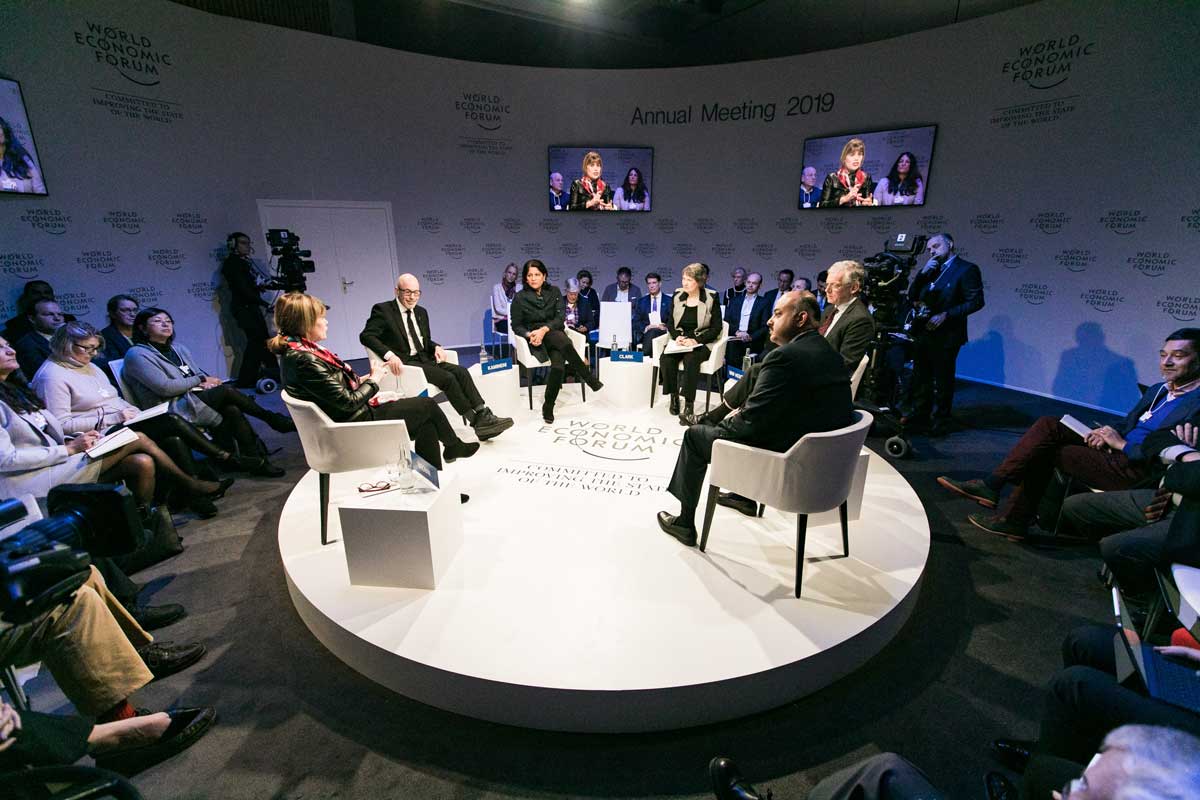
Empowering over 30 community forums annually to foster open and inclusive discussions on peacebuilding.

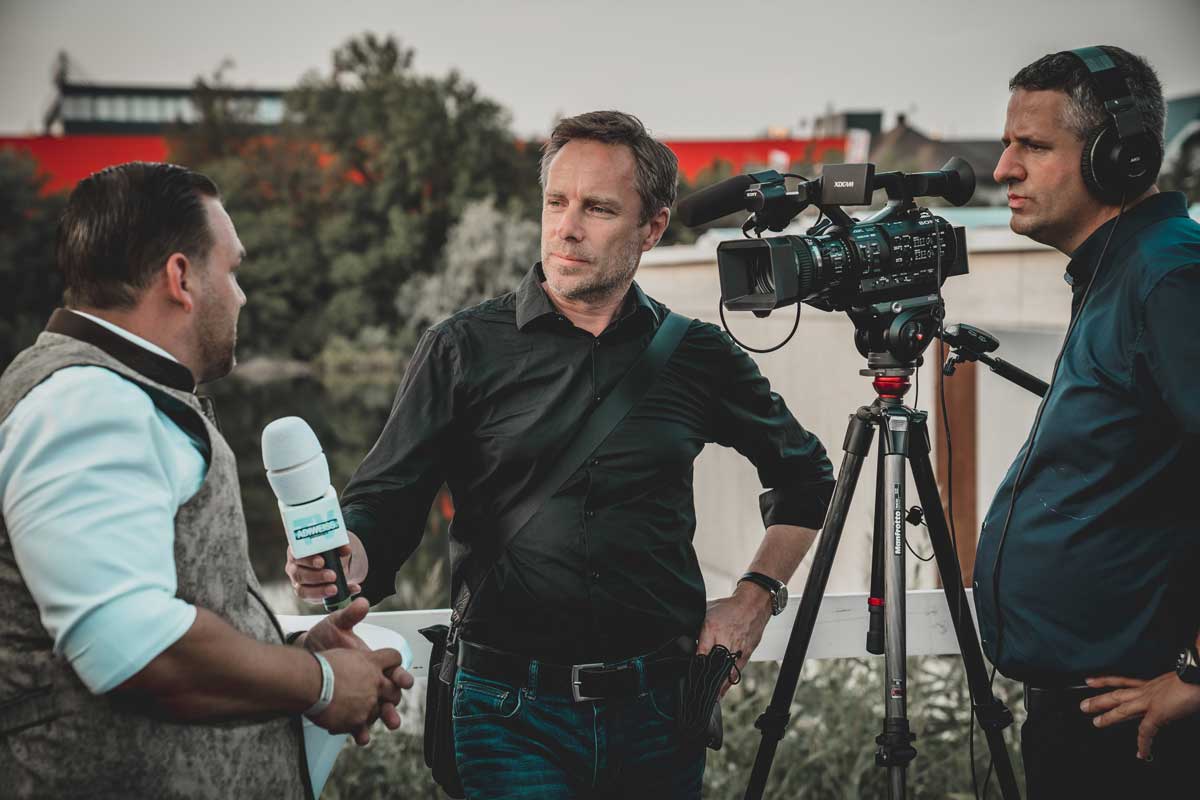
Producing 15 educational media campaigns each year to counter misinformation and encourage unity.

Bridging Communities Across the Great Lakes Region

The Great Lakes Dialogue Initiative fosters peace by countering divisive narratives and promoting inclusive dialogue to heal communities affected by conflict and trauma.

Insights

Explore a collection of thoughtful articles and stories that delve into dialogue, peacebuilding, and healing in the Great Lakes Region.

Fostering Peace Through Inclusive Dialogue and Media

Discover vital tools crafted to nurture understanding and healing across communities.

Conflict Resolution Foundations

Gain core insights to navigate and transform regional conflicts.

Narrative Transformation

Explore innovative approaches to counter divisive narratives.

Community Healing

Engage with stories and strategies promoting reconciliation.

Fostering Peace Through Inclusive Dialogue

Join us in bridging divides across the Great Lakes Region. Discover our programs, subscribe for updates, or get involved to help transform conflict into cooperation and healing.